



Attending LAMMA 2026? Here’s What Farmers Need to Know About Diesel & Water Storage
14th January 2026
in news
Author: Jack Dunn
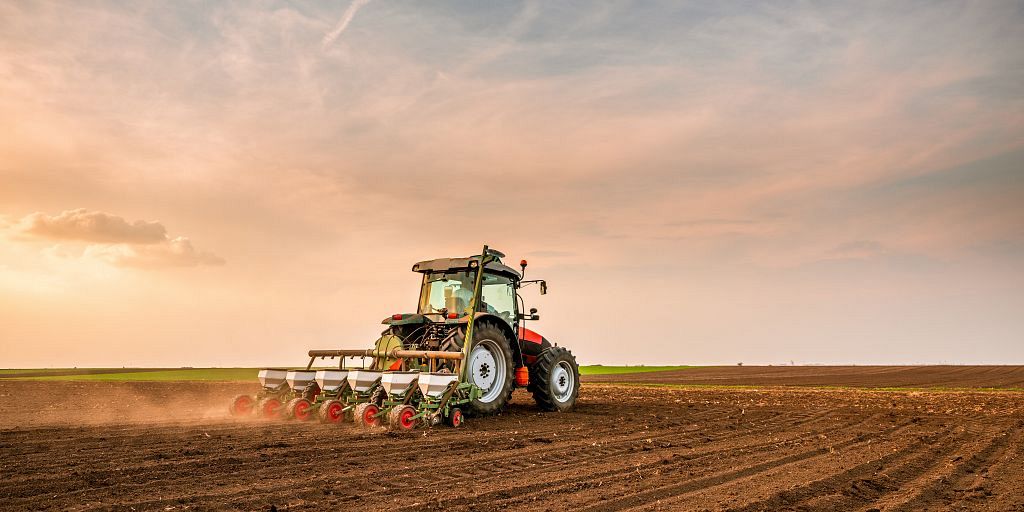
If you’re heading to LAMMA 2026 at the NEC, Birmingham (14–15 January), you’re in good company the show regularly attracts more than 40,000 visitors, bringing together farmers and contractors from across the UK to see what’s next in machinery, kit, and farm efficiency.
But while the show is packed with shiny equipment, a lot of the real farm wins in 2026 will come from something less glamorous and more essential:
Diesel storage and water storage.
And we understand that when fuel and water are secure, compliant, and sized properly, everything else runs smoother.
Diesel
Diesel is still a daily operational need on many farms, but storage is also one of the fastest ways to end up with expensive headaches if something leaks or overflows.
In England, diesel storage can fall under the Control of Pollution Regulations 2001and there’s long-standing guidance on above-ground oil storage to reduce pollution risk.
What Farmers Should Check (and what you’ll hear a lot about at LAMMA):
Bunded diesel tanks: A bund is basically your safety net. If the inner tank fails, the outer containment helps prevent pollution and clean-up costs. Our forestry range is particularly well reviewed.
- Capacity planning: Too small and you’ll be drowning in constant deliveries and wasted time. Too big means stale fuel risk and higher exposure if something goes wrong.
- A simple rule: size for how you actually use diesel through peak season, not your “average week”.
- Siting and security: Think access for deliveries, protection from impact, and theft deterrence (especially if your tank is visible from roads/entrances).
- Maintenance & housekeeping: The most common issues are boring ones: damaged fittings, poor pipework, unsecured valves, and messy fill points. The guidance is clear that prevention is cheaper than dreaded clean-up.
Water
Here’s a fact that may surprise you: farmers use less than 2% of total UK water abstracted, but in drier areas many farms rely on rivers and boreholes at times of year when water is under the most pressure.
Water is getting more unpredictable, and the conversation has shifted from “nice-to-have” to risk management.
The NFU has been very clear that food production depends on secure access to water, and that farms already take practical steps like on-farm water storage and better water management but more resilience is needed.
Here’s the breakdown for farmers when choosing a water tank.
What’s the tank actually for?
- Livestock water
- Irrigation/top-up
- Washdown/yard use
- Rainwater harvesting storage
Where will the water come from?
If you’re harvesting rainwater off buildings, storage capacity matters and so does filtration, overflow management, and placement for gravity feed/pumping.
Material and durability
Choose water tanks that suit your site: UV exposure, frost risk, traffic impact zones, and whether you need above-ground vs below-ground.
And if you need any further support choosing the right water tank for your needs we’re here to help.
If you’re attending LAMMA 2026, it’s the perfect time to take stock of what’s happening behind the scenes on your farm. Diesel and water storage might not be the headline acts, but they are the backbone of an operational farm.
One of the largest selections of tanks in the UK
Chat online or call us today on 01469 531229
Related Products
More Articles

HVO - The Potential Solution For A Sustainable Future
15th March 2023 in Tank accessories
The benefits of steel oil tanks for domestic heating oil
4th April 2023 in oil
Top Safety Tips for Handling and Maintaining Chemical Storage Tanks
8th November 2024 in oil
Essential Guide to Livestock Watering Tanks: Solutions For Remote Fields
12th February 2025 in water




Help
About Us
My Account
Newsletter Sign Up
Inspiration direct to your inbox, please enter your email below...
© Tanks R Us. All rights reserved. Registered in England. Registration number. 05804332. VAT number 364402764