



Environmental Regulations for Oil Storage in the UK: Current Guidance for Tank Owners
24th November 2025
in news
Author: Jack Dunn
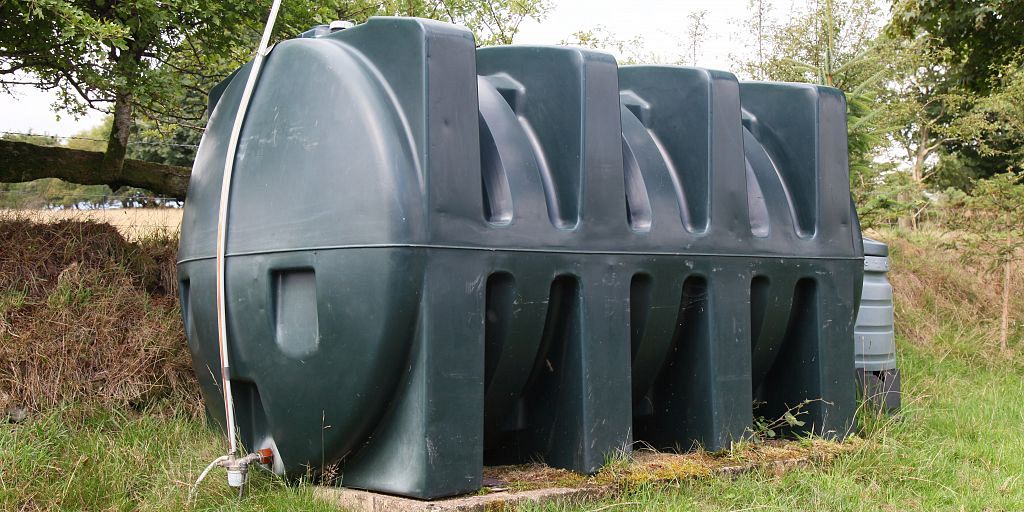
Storing oil in the UK comes with clear environmental responsibilities. Whether you’re a homeowner with a heating-oil tank or a business operating a commercial installation, the law is designed to prevent leaks, protect watercourses and avoid costly pollution incidents. This guide sets out the key regulations that apply as we move beyond 2025, for tank owners and site managers.
Domestic oil-storage rules
Most domestic oil tanks fall under Building Regulations (Approved Document J). These set out requirements for safe installation, fire separation, base construction and correct positioning.
Tanks up to 3,500 litres are classed as domestic. Anything larger is treated as commercial storage.
A domestic tank may still need to be bunded if it is close to a drain, stream, ditch, borehole, or any area where a leak could enter the environment. Installers must also ensure the tank is stable, protected from accidental impact and fitted with appropriate gauges and shut-off valves.
Commercial and business installations
Businesses storing 201 litres or more of oil must comply with the Control of Pollution (Oil Storage) (England) Regulations 2001, or the equivalent regulations in Scotland, Wales and Northern Ireland.
The key obligations include:
- Providing secondary containment (usually a bund) with a capacity of at least 110% of the tank volume
- Keeping tanks and pipework in good condition and protected from corrosion
- Ensuring fill points, vents and gauges are designed to avoid spills
- Siting tanks sensibly, away from watercourses and drains where possible
- Preventing overfilling and keeping access clear for safe deliveries
These rules apply to commercial premises, farms, workshops, plant yards and most non-domestic settings.
What regulators expect now
While the core legislation has not changed, enforcement standards are higher than they were a few years ago. Regulators increasingly expect:
- Evidence of regular inspection and maintenance
- Proof that the tank is suitable for its location
- Competent installation (ideally by an OFTEC-registered engineer)
- Prompt repair or replacement of ageing or damaged tanks
- Spill-prevention plans where appropriate
Older single-skin tanks are under greater scrutiny, especially in higher-risk areas.
How to stay compliant
Assess your installation
Check the tank type, construction and location. Ensure the base is sound and the tank is protected from impact.
Ensure correct containment
Commercial tanks must be bunded by law. Domestic tanks may also require bunding depending on placement and risk.
Inspect regularly
Look for cracks, bulging, leaning, damaged lids, perished seals and any signs of leakage from pipes or fittings.
Record maintenance
Keep simple logs of inspections, deliveries and any remedial work. It supports compliance if questioned.
Use competent installers
A professional installation eliminates most future compliance issues and protects your property and the environment.
Consequences of non-compliance
If oil enters soil or water, you may face:
- Enforcement action or fines
- Mandatory tank replacement
- Significant clean-up costs
- Insurance refusals or delays
- Reputational damage
- Long-term environmental impact
Even a small spill can cause serious contamination, so the regulations are strict for good reason.
Choosing the right type of tank
Selecting the correct tank is one of the most effective ways to stay compliant from the start. Modern bunded polyethylene tanks are now regarded as the safest option for most domestic and commercial settings, thanks to their impact resistance, corrosion protection and integrated spill-containment. Steel tanks still have a place in certain industrial environments, but they must be maintained carefully to prevent rust and fatigue. When replacing an older single-skin tank, upgrading to a bunded model eliminates many environmental risks and ensures you meet current regulatory expectations. If your site carries any level of pollution risk, near drains, watercourses or hardstanding, a bunded tank is the recommended choice.
When to consider replacing an ageing tank
Oil tanks have a long service life, but they do not last forever. If you notice bulging, discolouration, persistent condensation, a distorted base, or signs of seepage around joints and supports, the tank may be nearing the end of its safe lifespan. Older plastic tanks can become brittle due to UV exposure, and steel tanks may corrode internally even if the exterior appears sound. Replacing a failing tank before it leaks is far more cost-effective than dealing with a pollution incident. A pre-emptive replacement also allows you to meet modern standards, improve efficiency and reduce your environmental risk.
Why choose Tanks R Us
We supply a full range of compliant oil-storage tanks, including bunded, fire-protected and commercial-grade models. Our team understands the regulations and can advise on correct sizing, siting and specification, so your installation meets current standards and protects you from avoidable environmental risk.
One of the largest selections of tanks in the UK
Chat online or call us today on 01469 531229
Related Products
More Articles

HVO - The Potential Solution For A Sustainable Future
15th March 2023 in Tank accessories
The benefits of steel oil tanks for domestic heating oil
4th April 2023 in oil
Top Safety Tips for Handling and Maintaining Chemical Storage Tanks
8th November 2024 in oil
Essential Guide to Livestock Watering Tanks: Solutions For Remote Fields
12th February 2025 in water




Help
About Us
My Account
Newsletter Sign Up
Inspiration direct to your inbox, please enter your email below...
© Tanks R Us. All rights reserved. Registered in England. Registration number. 05804332. VAT number 364402764