



Farm Oil Storage: Legal Requirements Every Landowner Should Know
12th November 2025
in news
Author: Jack Dunn
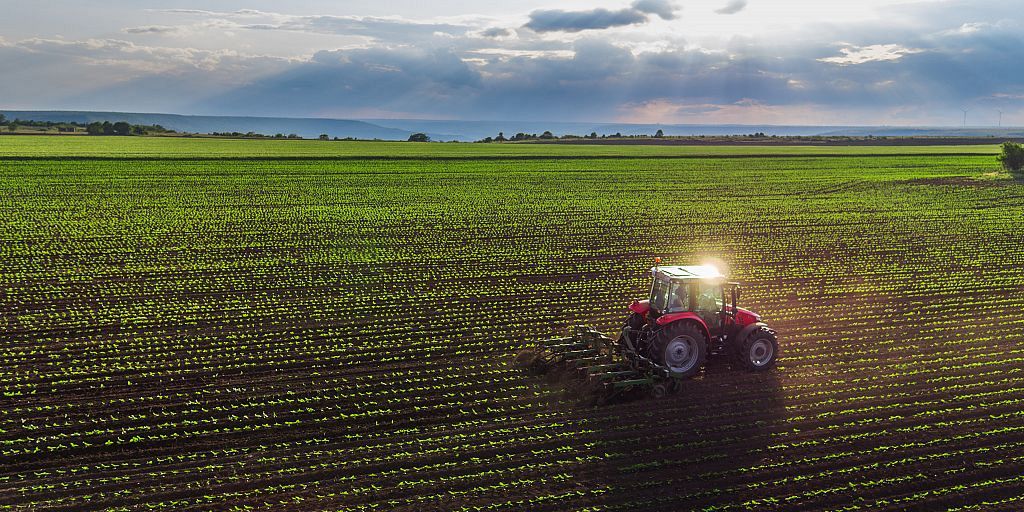
Oil is used often on a farm, due to the need to fuel agricultural machinery and heat remote farm buildings, however, it is important to know that storing farm oil comes with strict legal responsibilities. Like most things, the rules do depend on what kind of oil you’re storing, how much and exactly what you are using it for.
In this blog, we are going to go through the key requirements, any differences to watch out for and how to stay compliant, both safely and legally.
Which Regulation Does my Tank Fall Under?
The first step is understanding what regulation your storage tank falls under. There are three different regulations in England – domestic, commercial and agricultural.
Agricultural use: Use of diesel or heating oil for:
• Powering tractors, combines or irrigation systems
• Running grain dryers or backup generators
• Heating barns or other operational outbuildings
Commercial use: Storage of diesel or heating oil for:
• Non-farming business activity
• Workshops, commercial vehicles, construction or logistic operations
Domestic use:
• Heating oil that is used solely for the farmhouse or other residential buildings on-site
Where to Store Oil on a Farm
If the oil is for agricultural use, it can typically be stored in various locations around your farm, as long as it is in a suitable oil storage container. Any oil storage container you have on your farm must be located at least 10m from inland or coastal water access. This means, you cannot store oil near yard drains, land drains or dry ditches. It is important to seek advice from a professional or the Environment Agency, if you are unsure where to place an oil storage container.
Secondary Containment
You must fit a secondary containment, for example a bund or a drip-tray so that if the primary tank leaks, oil does not escape into the environment. For fixed single tanks, the bund must hold 110% of the tank capacity and 25% if you have multiple tanks. Rules apply for drip-trays too, if the tray holds more than one drum, it must hold at least a quarter of the combined capacity of those drums.
Regular Maintenance
Like most things, oil storage tanks should be regularly checked to ensure that it’s in a good condition. If you are refuelling tanks, it is important to make sure they are maintained in line with the manufacturer’s instructions to ensure that filters, shut-off valves, flexible hoses and other equipment is all in good order and can operate correctly. At Tanks R Us, we specialise in the installation and maintenance of oil storage tanks, and all work is carried out by our professional experts and technicians.
Consequences of Non-Compliance
Failure to follow the regulations may lead to prosecution, fines or enforcement notices requiring you to bring the installation up to standard. Having a non-compliant storage tank can also cause environmental damage which will aggravate enforcement and reputational damage.
The key takeaway is storing oil on your farm brings legal responsibility, and by adhering to the regulations, you are protecting yourself, your land and the environment. Remember, just because an installation might have always been there, it still might not be compliant.
One of the largest selections of tanks in the UK
Chat online or call us today on 01469 531229
Related Products
More Articles

HVO - The Potential Solution For A Sustainable Future
15th March 2023 in Tank accessories
The benefits of steel oil tanks for domestic heating oil
4th April 2023 in oil
Top Safety Tips for Handling and Maintaining Chemical Storage Tanks
8th November 2024 in oil
Essential Guide to Livestock Watering Tanks: Solutions For Remote Fields
12th February 2025 in water




Help
About Us
My Account
Newsletter Sign Up
Inspiration direct to your inbox, please enter your email below...
© Tanks R Us. All rights reserved. Registered in England. Registration number. 05804332. VAT number 364402764