



How Modern Plastic Tanks Are Designed for a Greener Future
17th November 2025
in news
Author: Jack Dunn
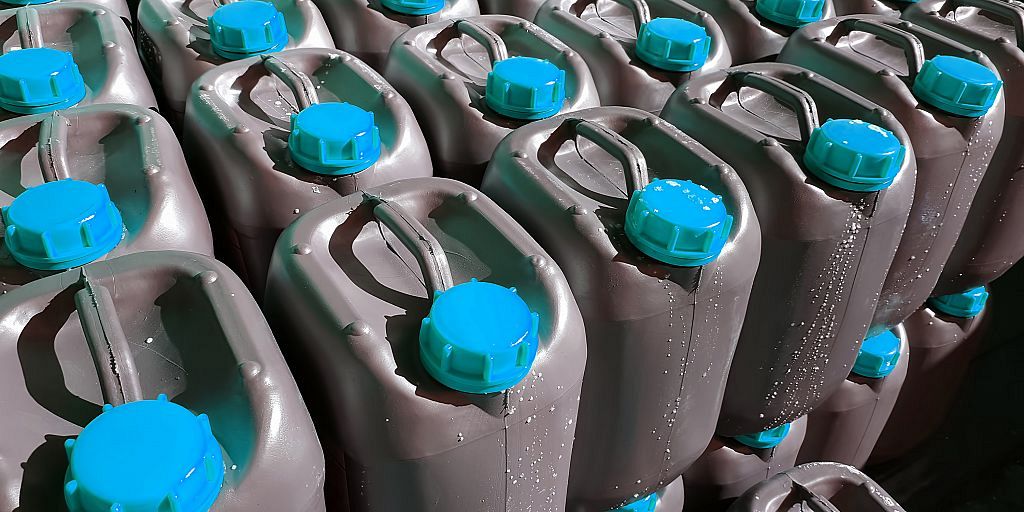
Sustainability is no longer a niche priority. It is a central requirement across construction, agriculture, manufacturing, wastewater management, and domestic storage. As organisations look to reduce environmental impact without compromising performance, modern plastic tanks have become a critical part of the shift towards greener infrastructure. Their efficiency is not a matter of chance; it results from deliberate engineering, material science, and lifecycle focused design.
This article explores how contemporary plastic tanks are purpose-built to support a more sustainable future and why they now outperform many traditional alternatives.
Long-Lasting Materials with Lower Environmental Cost
The first step in designing a sustainable tank lies in the choice of material. High-grade polyethylene (PE) and other advanced polymers offer a lifespan that can exceed several decades, with minimal degradation. These materials resist corrosion, UV damage, and chemical exposure, which means tanks remain dependable without the need for frequent replacements.
Compared with steel or concrete, plastic tanks demand significantly less energy during manufacturing, transport, and installation. Reduced weight lowers fuel consumption during delivery and makes installation easier and safer. Once operational, their durability minimises waste and prevents premature disposal.
Manufacturing Processes That Waste Less
Modern rotational moulding and other advanced fabrication methods allow manufacturers to create robust, seamless tanks with very little waste material. A single-piece design doesn’t just improve strength; it removes the need for additional components, sealants, or reinforcements that add to environmental cost.
Many plastic tank manufacturers also reprocess offcuts, trimmings, and rejected units, feeding the material back into the production cycle. This creates a more circular manufacturing process and keeps unnecessary waste out of landfill.
Improved Thermal and Structural Efficiency
A well-designed tank does more than store liquids; it reduces operational inefficiencies that increase environmental impact. Modern plastic tanks offer strong thermal stability, helping maintain optimal liquid temperatures with minimal energy loss. This matters in applications such as rainwater harvesting, liquid fertiliser management, oil storage, and wastewater treatment.
Structural efficiency is equally important. Reinforced ribbing, thickened stress points, and improved load-bearing surfaces make tanks less prone to warping or cracking. Fewer repairs and replacements mean lower resource consumption and less environmental disruption over time.
Safer Storage Means a Cleaner Environment
Spills, leaks, and contamination events have severe environmental consequences. Contemporary plastic tanks are designed to minimise this risk. Single-piece moulding, pressure-tested outlets, strengthened bases, and compliant fittings substantially reduce failure points.
In sensitive sectors such as fuel storage, AdBlue, and agricultural chemicals, this level of reliability is essential. Modern plastic tanks are frequently designed to meet or exceed UK environmental regulations, including OFTEC, DEFRA, and Environment Agency requirements. By ensuring safe handling and long-term containment, they play a direct role in protecting soil, water systems, and surrounding wildlife.
Supporting Renewable and Low-Impact Systems
Plastic tanks are now central to many green technologies and environmental systems. This includes:
- Rainwater harvesting: Tanks collect and store rainwater for irrigation, flushing systems, and industrial use, helping reduce mains water reliance.
- Greywater recycling: Purpose-built tanks store treated greywater for reuse, lowering household and commercial water demand.
- AdBlue storage: As diesel vehicles use AdBlue to cut NOx emissions, safe and efficient tank storage becomes essential.
- Off-grid living solutions: Wastewater, potable water, and fuel tanks support more self-sufficient properties.
Their versatility allows them to integrate with renewable energy systems and sustainable site designs more effectively than heavier, less adaptable materials.
Lower Transport Emissions
Weight is an often overlooked aspect of sustainability. A plastic tank can weigh a fraction of a steel or concrete equivalent. This leads to fewer deliveries, smaller vehicles, and reduced emissions per unit transported. For remote or difficult sites, this difference can be substantial.
Easier handling also reduces the need for heavy machinery during installation, further lowering the project’s carbon footprint.
End-of-Life Recycling and Circular Design
As sustainability standards rise, manufacturers are paying close attention to what happens when a tank reaches the end of its functional life. Modern tanks are increasingly designed with recyclability in mind. Many are made from single type polymers, which simplifies the recycling process. Once processed, the recovered material can be used in new industrial products, reducing the demand for virgin plastics.
This shift towards circular design ensures that tanks do not simply serve a purpose during their years of use but continue contributing to resource efficiency long after retirement.
A Sustainable Choice for Businesses and Households
For organisations aiming to reduce environmental impact, plastic tanks offer a practical and measurable benefit. Their long service life, low maintenance demands, and energy-efficient production make them well suited to commercial environmental strategies. Households adopting greener practices also benefit: anything from rainwater harvesting systems to safer heating oil storage can reduce utility costs while aligning with sustainability goals. As regulations tighten and green expectations rise, modern plastic tanks provide a compliant, reliable, and environmentally sound solution.
Modern plastic tanks are much more than simple storage units. Through careful engineering, advanced materials, and a focus on the entire lifecycle, they contribute directly to a more sustainable future. Whether used for water, fuel, chemicals, or wastewater, they offer an eco-conscious alternative that supports greener operations without compromising performance. Ready to see for yourself? View our full range here.
One of the largest selections of tanks in the UK
Chat online or call us today on 01469 531229
Related Products
More Articles

HVO - The Potential Solution For A Sustainable Future
15th March 2023 in Tank accessories
The benefits of steel oil tanks for domestic heating oil
4th April 2023 in oil
Top Safety Tips for Handling and Maintaining Chemical Storage Tanks
8th November 2024 in oil
Essential Guide to Livestock Watering Tanks: Solutions For Remote Fields
12th February 2025 in water




Help
About Us
My Account
Newsletter Sign Up
Inspiration direct to your inbox, please enter your email below...
© Tanks R Us. All rights reserved. Registered in England. Registration number. 05804332. VAT number 364402764