



How Sewage Treatment Tanks Work
19th August 2025
in news
Author: Jack Dunn
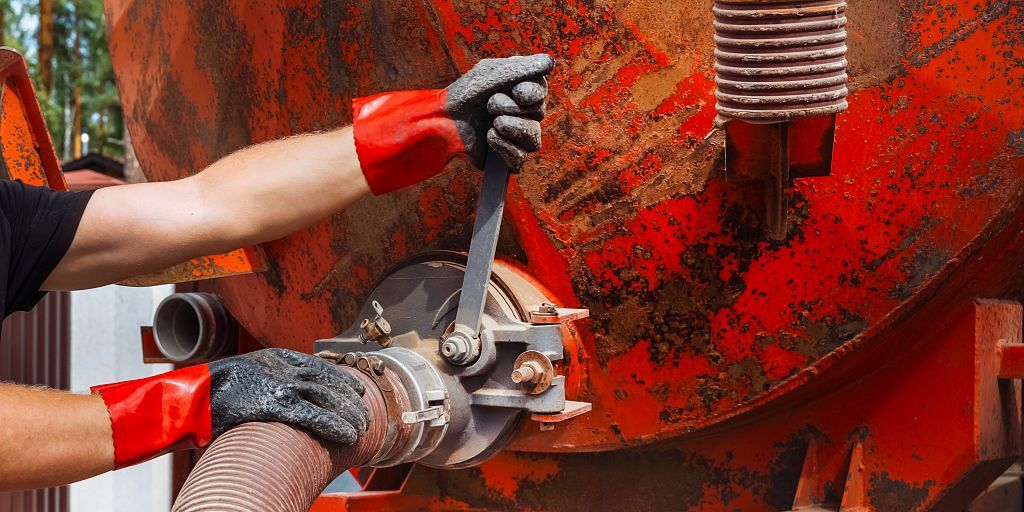
When it comes to managing wastewater, sewage treatment tanks play a vital role in protecting our environment and ensuring safe disposal of wastewater. At Tanks R Us, our sewage treatment tanks stand out for their reliability, efficiency, and pollutant removal rates of up to 97.5%, with capacities available all the way up to 20,000 litres.
1. What Is a Sewage Treatment Tank?
A sewage treatment tank processes both greywater (from sinks, showers, dishwashers) and blackwater (from toilets). Unlike traditional septic tanks, these systems include additional treatment stages that make them more environmentally friendly and compliant with UK regulations.
2. How Do They Work?
The operation involves multiple stages, from initial separation to biological treatment and final clarification. Here’s a breakdown of the general process:
• Primary Sedimentation (Separation Stage)
Wastewater enters the first chamber, where solids settle at the bottom (forming sludge) and lighter materials like oil or grease float to the top (forming scum).
• Biological Treatment (Secondary Stage)
The partially clarified water moves into a second chamber, where aerobic bacteria are stimulated, typically through air pumps, to break down organic contaminants effectively. This biological action is what sets sewage treatment tanks apart from septic tanks.
• Final Settlement and Discharge
Remaining particles settle in a third chamber. The cleaned effluent can then be safely discharged into surface water, ditches, or local drainage systems without harmful environmental impact.
3. Why They’re Essential and Legally Compliant
Since 2020, UK regulations (General Binding Rules) prohibit septic tanks from discharging directly into surface waters. Sewage treatment tanks, compliant with standards like BS EN12566-3, are often necessary for legal and environmental compliance.
4. Benefits of Choosing Tanks R Us Sewage Treatment Tanks
• High Pollutant Removal Efficiency - Up to 97.5% pollutant removal for a cleaner effluent
• Durability and Quality - Built from top-quality materials by leading manufacturers, such as Harlequin, ensuring lasting performance
• Variety in Capacity - Available in sizes up to 20,000 L, suitable for a wide range of residential and commercial installations.
5. Summary of the Treatment Process
Primary Sedimentation Stage - Separation of sludge (settled solids) and scum (floating materials)
Biological Treatment - Aerobic bacteria break down organic pollutants
Final Settlement - Remaining solids settle; clean effluent is discharged
Are Sewage Treatment Tanks Good For The Environment?
As long as the sewage treatment tanks are well-designed and maintained properly, they can have a positive impact on the environment, as you are reducing water pollution and protecting aquatic ecosystems. However, if the tanks are not installed properly or managed, then they can have negative impacts such as odours, noise pollution and emissions of greenhouse gases.
Final Thoughts
Sewage treatment tanks from Tanks R Us represent a smart, eco-conscious choice for effective wastewater management, whether you're equipping a rural home, holiday let, small farm, or a remote business site. They deliver superior pollutant removal, long-term durability, and regulatory peace of mind.
One of the largest selections of tanks in the UK
Chat online or call us today on 01469 531229
Related Products
More Articles
HVO - The Potential Solution For A Sustainable Future
15th March 2023 in Tank accessories
The benefits of steel oil tanks for domestic heating oil
4th April 2023 in oil
Top Safety Tips for Handling and Maintaining Chemical Storage Tanks
8th November 2024 in oil
Essential Guide to Livestock Watering Tanks: Solutions For Remote Fields
12th February 2025 in water




Help
About Us
My Account
Newsletter Sign Up
Inspiration direct to your inbox, please enter your email below...
© Tanks R Us. All rights reserved. Registered in England. Registration number. 05804332. VAT number 364402764