



Plastic Petrol Tanks Vs Steel Petrol Tanks
19th February 2026
in news
Author: Jack Dunn
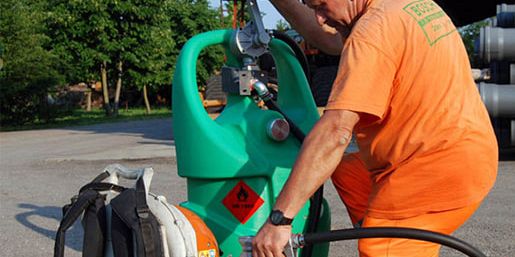
When deciding between steel and plastic petrol tanks, the right choice depends on how much fuel you need to store, where the tank will be located, and how critical security and durability are to your operation. Both options are widely used across the UK, but they serve different purposes.
Steel Petrol Tanks
Steel petrol tanks remain the preferred option for commercial, agricultural and industrial fuel storage where strength and longevity matter. Manufactured from heavy-duty steel plate and fully welded for structural integrity, they are designed to cope with demanding environments and higher storage volumes.
One of the main advantages of steel is durability. With proper maintenance, a well-built steel tank can last 20–30 years or more. The material offers excellent resistance to impact and provides a higher level of fire protection than plastic alternatives. For sites where welding, machinery or other high-risk activities take place, this added resilience is a serious consideration.
Security is another key benefit. Steel tanks are far more difficult to drill, cut or tamper with, helping to deter fuel theft and vandalism. For businesses storing valuable volumes of diesel or gas oil, this added protection can prevent significant losses.
Capacity is where steel truly stands out. Standard models regularly accommodate up to 20,000 litres, while bespoke systems can exceed 100,000 litres. Multi-compartment options are also available, allowing different petrol types to be stored within a single unit. For fixed commercial premises with long-term petrol demands, steel offers strength, scale and flexibility.
Plastic Petrol Tanks
Plastic petrol tanks are typically manufactured from high-density polyethylene (HDPE) using rotational moulding. This creates a seamless, one-piece structure without welded joints, reducing potential leak points. Their lighter construction makes them easier to transport and install, particularly in locations where access is restricted.
The most obvious advantage of plastic is corrosion resistance. Unlike steel, it will not rust when exposed to moisture. This makes plastic tanks suitable for environments where external conditions could accelerate corrosion, such as coastal areas.
Weight is another benefit. A plastic tank of 2,500 litres is significantly lighter than a steel equivalent, simplifying delivery and installation and often removing the need for specialist lifting equipment. Upfront costs are also generally lower, which makes plastic attractive for smaller operations or temporary installations.
However, plastic tanks do have limitations. They are more vulnerable to impact damage and unauthorised interference than steel. Fire resistance is also significantly lower, meaning they are less suitable for high-risk industrial environments. Capacity is typically more limited, with most plastic tanks falling within the small to mid-range volume bracket. Lifespan can also be shorter in harsher conditions, particularly where extreme temperatures or prolonged UV exposure are factors.
Direct Comparison
In practical terms, steel provides superior physical strength, security and large-scale capacity. It does require periodic inspection and protective coatings to prevent corrosion, but in return it delivers long-term structural reliability.
Plastic offers ease of handling, natural corrosion resistance and lower initial cost. Maintenance requirements are generally lighter, though the trade-off is reduced robustness and lower maximum storage capacity.
Your decision should consider more than just purchase price. Installation requirements, risk level, environmental exposure, security concerns and long-term fuel usage all influence which material is the better investment.
UK Regulations and Environmental Considerations
Fuel storage in the UK is governed by strict legislation, including the Control of Pollution (Oil Storage) Regulations. In most commercial situations, bunded tanks are required to provide secondary containment and protect against environmental contamination. Compliance is essential regardless of tank material.
Steel and plastic bunded tanks can both meet regulatory requirements when correctly specified and installed. Routine inspections remain critical. Steel tanks should be checked for corrosion, while plastic tanks should be monitored for signs of material fatigue or degradation.
From an environmental perspective, steel is highly recyclable at the end of its lifespan, which offsets some of the energy required during manufacture. Plastic requires less energy to produce but can be more complex to recycle due to size and construction. In either case, proper maintenance and leak prevention are the most important factors in reducing environmental risk.
Choosing The Right Tank For Your Operation
For high-capacity industrial storage, long-term fixed installations or sites where security and fire resistance are priorities, steel tanks are typically the stronger choice.
For smaller capacity requirements, temporary setups or locations where corrosion resistance and ease of installation are key, plastic tanks may be more suitable.
Future planning also matters. If your fuel demand is likely to increase, investing in a larger or bespoke steel solution may provide better long-term value than replacing smaller plastic units later.
Ultimately, the right tank is the one that aligns with your operational demands, site conditions and compliance obligations. A properly specified system will protect your petrol, your business and the environment for years to come.
One of the largest selections of tanks in the UK
Chat online or call us today on 01469 531229
Related Products
More Articles

HVO - The Potential Solution For A Sustainable Future
15th March 2023 in Tank accessories
The benefits of steel oil tanks for domestic heating oil
4th April 2023 in oil
Top Safety Tips for Handling and Maintaining Chemical Storage Tanks
8th November 2024 in oil
Essential Guide to Livestock Watering Tanks: Solutions For Remote Fields
12th February 2025 in water




Help
About Us
My Account
Newsletter Sign Up
Inspiration direct to your inbox, please enter your email below...
© Tanks R Us. All rights reserved. Registered in England. Registration number. 05804332. VAT number 364402764