



Why is a Sewage Treatment Plant Better Than a Septic Tank?
18th September 2025
in news
Author: Jack Dunn
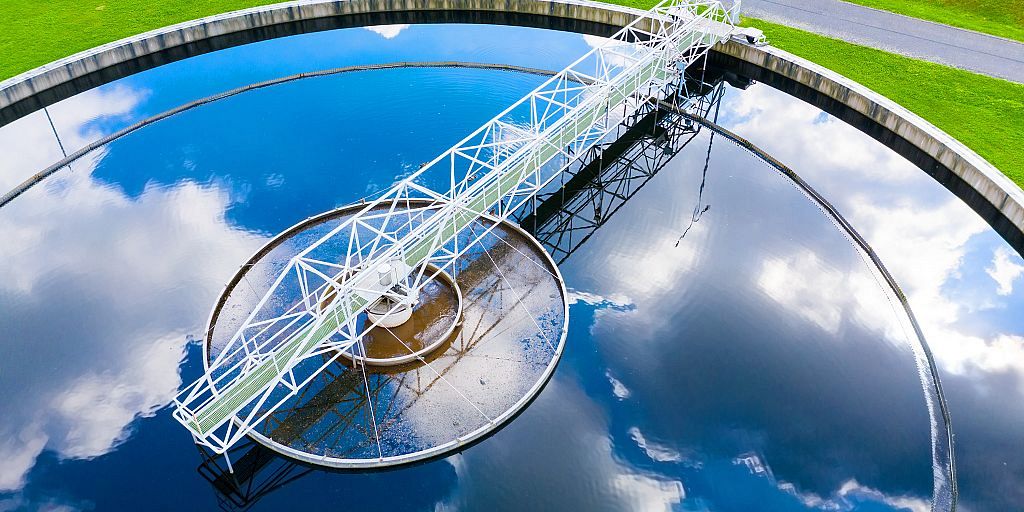
When managing wastewater from properties not connected to mains sewer systems, two of the most common options are septic tanks and sewage treatment plants. While a septic tank is a tried-and-tested solution, sewage treatment plants often offer superior performance, environmental protection, and regulatory compliance. In this post, we’ll look at what distinguishes the two, and why many homeowners, businesses, and developers decide that a sewage treatment plant is the better investment.
What Are They, and How Do They Differ?
Septic Tank
• A sealed underground tank where solids settle out of wastewater, with the clearer liquid (effluent) discharged into a drain field (soakaway) or percolation area.
• Treatment is primarily physical (settling) little in the way of biological or chemical treatment occurs.
Sewage Treatment Plant
• An on-site facility (often compact for domestic or small commercial use) that treats wastewater using a combination of physical, biological and sometimes chemical processes.
• Removes a much higher proportion of organic matter, suspended solids, bacteria, and nutrients before discharging the treated water to surface water, soakaway, or watercourse (depending on permit).
When a Septic Tank May Still Be Sufficient
It’s not that septic tanks are always bad, there are scenarios where they remain a viable option:
• Small, low-use properties where wastewater flow is minimal.
• Where discharge is only to an appropriately sized, well-maintained soakaway or drain field, soil is suitable, and regulations allow it.
• Lower upfront cost if properly designed and installed.
However, even in these cases, the growing regulatory pressure and environmental concerns are making sewage treatment plants the safer, more future-proof choice.
Considerations Before Choosing a Sewage Treatment Plant
To get the maximum benefit, these are things to check:
• Sizing: choose a plant sized correctly for expected wastewater load (household size, fixtures, future expansion).
• Discharge permit / regulations: ensure you comply with local environmental agency rules. The quality of discharge (e.g. to a watercourse vs soakaway) will affect what type of plant you need.
• Maintenance regime: treatment plants often need electricity (for aeration, pumping), regular servicing, sludge removal etc. Budget for these.
• Cost: higher installation cost than simple septic tank + soakaway, but may save costs later (e.g. avoiding fines, reducing environmental damage, avoiding frequent repairs).
• Long-term reliability: better build quality, properly installed, with warranties, and support.
A sewage treatment plant generally offers:
• Much better quality of treated wastewater
• Stronger environmental protection and regulatory compliance
• Fewer risks of odour, overflow, contamination
• More reliable performance over the long term
While septic tanks can still work in some settings, as regulations tighten and environmental pressures increase, sewage treatment plants are increasingly the smart, sustainable, and responsible choice.
Why Choose Tanks R Us for Your Sewage Treatment Needs
At Tanks R Us, we stock a range of sewage treatment plants that are:
• Built to UK regulatory standards
• Available in various capacities to suit domestic and commercial use
• Backed by support, accessories, installation, and maintenance services
If you’re considering upgrading from a septic tank, or need a treatment plant for a new build or business, contact us. We’ll help you find the right model, size and configuration to meet both your needs and environmental responsibilities.
One of the largest selections of tanks in the UK
Chat online or call us today on 01469 531229
Related Products
More Articles

HVO - The Potential Solution For A Sustainable Future
15th March 2023 in Tank accessories
The benefits of steel oil tanks for domestic heating oil
4th April 2023 in oil
Top Safety Tips for Handling and Maintaining Chemical Storage Tanks
8th November 2024 in oil
Essential Guide to Livestock Watering Tanks: Solutions For Remote Fields
12th February 2025 in water




Help
About Us
My Account
Newsletter Sign Up
Inspiration direct to your inbox, please enter your email below...
© Tanks R Us. All rights reserved. Registered in England. Registration number. 05804332. VAT number 364402764