



Above Ground Vs Underground Water Tanks
18th February 2026
in water
Author: Jack Dunn
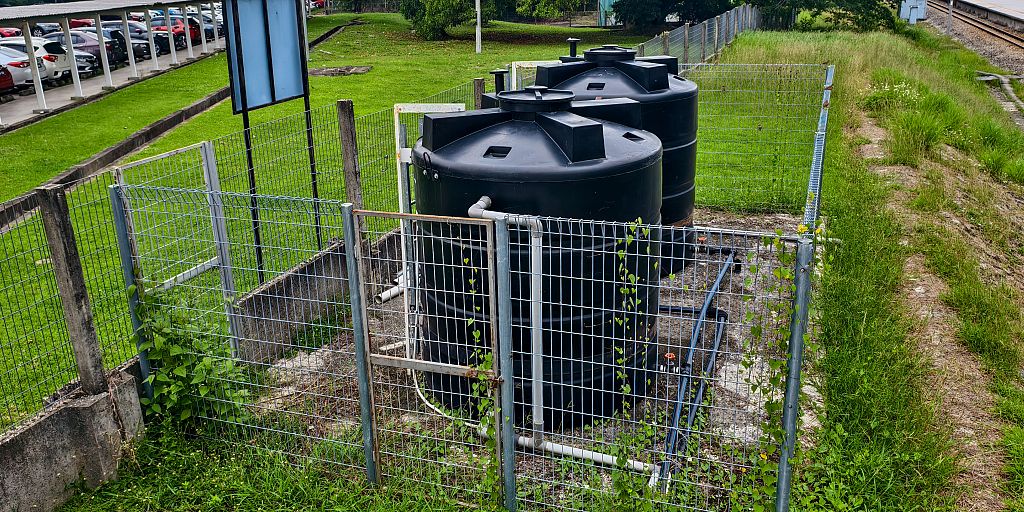
Choosing the right water storage solution is not simply a question of capacity. It is about space, access, installation costs, maintenance, long-term durability and how the tank integrates with your property. When comparing above ground and underground water tanks, the correct option depends entirely on your site conditions and how you plan to use the stored water.
This guide breaks down the practical differences so you can make a clear, informed decision.
What Are Above Ground Water Tanks?
Above ground tanks are installed on a solid, level base and sit visibly on the surface. They are commonly used for rainwater harvesting, agricultural supply, commercial water storage and emergency backup systems.
For larger-scale storage, options such as large water tanks provide significant capacity without requiring excavation.
Advantages of Above Ground Tanks
- Lower installation costs: There is no excavation required. As long as you have a properly prepared base (usually concrete or compacted hardcore), installation is straightforward and quicker than underground systems.
- Easier inspection and maintenance: Because the tanks are accessible, checking for leaks, inspecting fittings or carrying out cleaning is far simpler.
- Scalability: Need more capacity in the future? Adding an additional above ground tank is typically much easier than expanding underground storage.
- Faster installation time: Above ground systems can often be installed and operational within a shorter timeframe compared to underground alternatives.
Disadvantages of Above Ground Tanks
- Visible appearance: They take up surface space and are visible. In residential settings, aesthetics can be a concern.
- Exposure to temperature fluctuations: Above ground tanks are more exposed to frost and heat. Insulation or frost protection may be required depending on location.
- Space requirement: You need sufficient clear, accessible ground area.
What Are Underground Water Tanks?
Underground water tanks are buried below the surface, typically installed during landscaping projects or new builds. They are often used in rainwater harvesting systems where maintaining surface space or aesthetics is important.
Advantages of Underground Tanks
- Space-saving design: Because they are installed below ground, surface space remains fully usable. Ideal for properties with limited garden space.
- Discreet and aesthetically clean: Only access covers are visible. This is often preferable in domestic settings or commercial properties where visual impact matters.
- Temperature stability: The ground provides natural insulation, helping to protect stored water from extreme temperature changes.
- Long-term durability: Properly installed underground tanks are designed to withstand ground pressure and external loads.
Disadvantages of Underground Tanks
- Higher installation costs: Excavation, ground preparation and backfilling add labour and machinery costs.
- More complex installation: Soil conditions, drainage and load-bearing considerations must be assessed carefully.
- Maintenance access: Although accessible via manholes, inspection and cleaning is more involved than with above ground systems.
Installation Considerations
The installation process is often the deciding factor.
Above ground tanks require:
- A stable, level base
- Adequate drainage around the tank
- Access for delivery and positioning
Underground tanks require:
- Excavation to the correct depth
- Stable soil conditions
- Proper backfill materials
- Consideration of groundwater levels
- Potential traffic load reinforcement if installed under driveways
If your site has high water tables or unstable ground, underground installation becomes more technically demanding.
Maintenance and Lifespan
Both tank types can offer long service life when properly installed.
Above ground tanks allow for:
- Simple visual inspections
- Easier cleaning
- Straightforward part replacement
Underground tanks:
- Benefit from temperature stability
- Are protected from UV exposure
- Require more structured maintenance access
The material of the tank (often polyethylene or similar robust plastics) plays a larger role in longevity than whether it is installed above or below ground.
Which Option Is Right for You?
Choose an above ground tank if:
- You want a lower upfront cost
- You have adequate space available
- Ease of maintenance is a priority
- Installation speed matters
Choose an underground tank if:
- Surface space is limited
- Aesthetics is important
- You are installing during a new build or landscaping project
- You want better thermal stability
For agricultural, industrial or commercial sites where appearance is less critical, above ground tanks are often the practical choice. For residential properties prioritising visual impact and space efficiency, underground systems are often preferred.
Final Thoughts
There is no universally “better” option. The right solution depends on budget, site conditions, usage requirements and long-term plans.
If you need high-capacity, accessible storage with minimal installation complexity, above ground tanks are typically the most straightforward route.
If discretion and space preservation are priorities, and you are prepared for a more involved installation process, underground tanks offer a clean, practical solution.
Assess your property constraints carefully before deciding. Getting the installation right from the start will ensure your water storage system performs reliably for years to come.
One of the largest selections of tanks in the UK
Chat online or call us today on 01469 531229
Related Products
More Articles
Water Storage Tanks and the Environment
1st September 2022 in water

How to Clean a Drinking Water Tank
5th September 2022 in water

Can I Drink Water from a Water Storage Tank?
15th November 2022 in water
Why It's Important To Place Water Tanks In The Right Location
15th November 2022 in water




Help
About Us
My Account
Newsletter Sign Up
Inspiration direct to your inbox, please enter your email below...
© Tanks R Us. All rights reserved. Registered in England. Registration number. 05804332. VAT number 364402764