



Getting Rid of Common Water Tank Contaminants
15th December 2023 in water
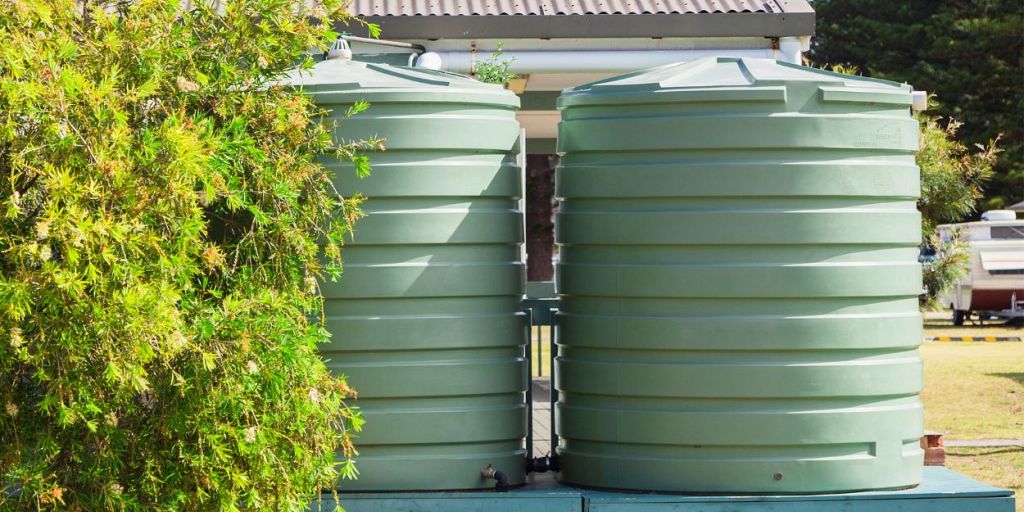
Agricultural and horticultural businesses often depend on rainwater harvesting for their smooth operation – and so it is extremely important that this water is ‘in good condition’. This means that they face challenges related to hygiene management. Although the rainwater that is collected in rainwater tanks is initially clean and safe, it can accumulate pollutants and bacteria during the journey into harvesting systems. Under certain storage conditions this can lead to contamination – and, given, the critical impact this would make on livestock and crops, it’s crucial to use effective elimination methods. At Tanks R Us we can help you source exactly the right equipment for your system.
Common types of contamination
- Algae:
Technically, algae is a microscopic plant which is commonly observed in ponds and other bodies of water. It can thrive in rainwater collection tanks, often remaining invisible. Algae can be a significant concern in rainwater harvesting systems as, although most is harmless, the risk of a toxic algae bloom exists. When it comes in to contact with soil this toxic bloom may deprive crops of oxygen and will also pose a threat to any livestock consuming the water. At its most harmful, algae can cause neurological damage, organ damage and occasionally death.
- Bird and Animal Waste:
Rainwater entering tanks from a barn or outbuilding roof, is likely to come into contact with bird or droppings from other types of pests including rodents. This contact introduces the risk of contamination with C. psittaci and coliform bacteria - potentially causing severe health issues in livestock consuming the water, as well as soil contamination.
- Parasites:
Various parasites, including worms and their eggs from bird droppings, can infiltrate rainwater during its journey through the roof into tanks. Parasites pose health risks to livestock. Standing water may also attract disease-carrying insects, and this turns water tanks into breeding grounds for mosquitoes, gnats, and worms.
How to deal with contamination
- Contaminant Removal:
Rainwater treatment methods for the removal of contamination depend on the intended use of the water. Coarse filters may suffice for crop irrigation and machinery cleaning, while water which will be used for livestock needs a more thorough filtration - including UV sterilization to eliminate harmful algae, bacteria and pathogens. Regular microbiological testing is always advisable so that the correct required water quality can be maintained.
- Bleach:
Although using bleach is controversial when it comes to water tanks, particularly in this era of environmental concern, without it water tanks are at risk of algae. Bleach will destroy the bacteria that algae feeds on. If algae gets into a water tank which has been treated with bleach, it is less likely to develop to levels which are dangerous.
- Chlorine:
Another substance important in the control of algae is chlorine, which is a powerful oxidising agent. It reacts with the oxygen in the water and forms hypochlorous acid which breaks down the algae’s cells, in effect killing it.
- Storage / Filtration:
Above-ground plastic water tanks should be made of opaque materials (ie. non-transparent), and shielded from direct sunlight. This inhibits the growth of algae and other organisms. Using efficient filters (especially dedicated rainwater harvesting filters tailored to tank inlets) will ensure that water freshness and the removal of pathogens and debris.
- Advanced Purification Techniques:
UV lamps are a highly effective tool for destroying smaller microorganisms and viruses, as long as the rainwater passes through a particulate filter first so that larger contaminants are eliminated. Some farms opt for additional carbon filters to remove chemical residues, ensuring the safe use of harvested rainwater without harming soil or livestock.
At Tanks R Us we can supply all water storage tanks and system accessories, as well as advise you on exactly what you need to do to keep control of your system to ensure that the problem of contaminants is effectively dealt with. Contact us for more information and we will be happy to help.
One of the largest selections of tanks in the UK
Chat online or call us today on 01469 531229
Related Products
More Articles
Water Storage Tanks and the Environment
1st September 2022 in water
How to Clean a Drinking Water Tank
5th September 2022 in water
Why It's Important To Place Water Tanks In The Right Location
15th November 2022 in water
Can I Drink Water from a Water Storage Tank?
15th November 2022 in water




Help
About Us
My Account
Newsletter Sign Up
Inspiration direct to your inbox, please enter your email below...
© Tanks R Us. All rights reserved. Registered in England. Registration number. 05804332. VAT number 364402764