



How to Choose the Best Plastic Water Storage Tank
30th September 2025
in water
Author: Jack Dunn
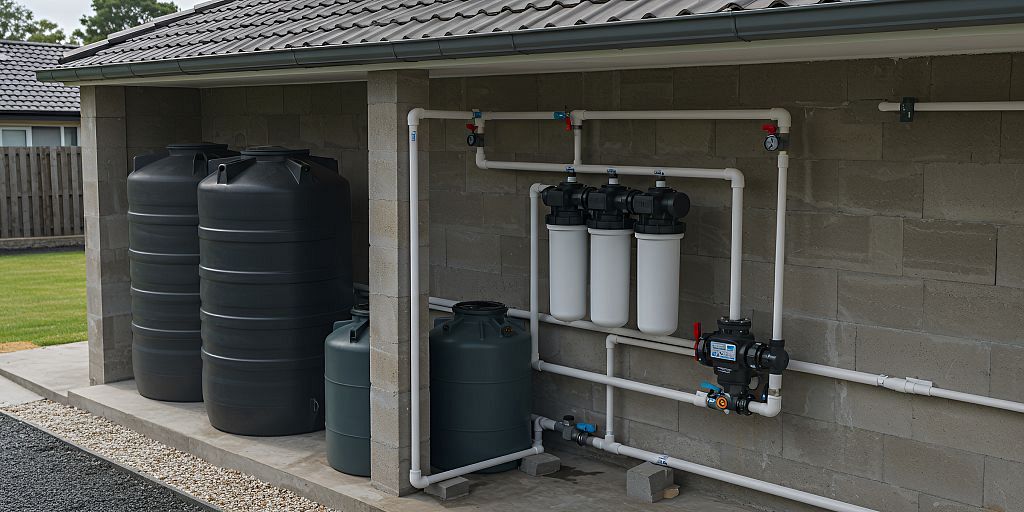
Selecting the right plastic water storage tank involves more than just picking the largest size you can afford. The right choice ensures clean water, efficiency, longevity and regulatory compliance. Use this guide to make an informed decision.
1. Decide on Use & Water Type
Ask yourself: is this tank for potable (drinking) water or non-potable (irrigation, washing, rainwater capture)? Tanks meant for drinking water must use food-safe materials and often need certification (e.g. WRAS approval in the UK) to confirm they don’t leach harmful chemicals.
2. Determine Required Capacity
Estimate daily or weekly water usage plus a buffer for supply interruptions. Also consider turnover: if water sits too long, quality may degrade. For homes, building standards suggest around 100 litres per bedroom for cold water storage tanks.
3. Material & Construction Quality
Most plastic water tanks are made from polyethylene (PE) — often HDPE or MDPE — due to their strength, chemical resistance and ease of moulding. Ensure the material is UV-stabilised to resist sun damage. Look for rotationally moulded or blow-moulded construction, which gives a uniform wall thickness.
4. Shape, Orientation & Footprint
Tanks come in vertical (upright), horizontal (cylindrical), flat, D-shape or rectangular styles. Choose a shape that fits your space and load constraints. Some are designed to spread the load (flat types), others to conserve ground space (upright).
5. Access, Fittings & Design Features
Look for these practical features:
• A tight, opaque lid to keep out light, dust, insects and vermin
• Vent or breather pipe with insect screen
• Overflow ports sized and arranged to avoid backflow
• Inspection hatches or manholes for cleaning access
• Baffles or internal reinforcement in large tanks to prevent bulging or structural strain if transported
• Pre-drilled outlets or the option for plastic fusion sockets to add custom connections later
6. Installation & Base Requirements
The tank must sit on a clean, level, stable base (concrete slab, reinforced base). Uneven or soft ground can lead to cracks or distortion. Also ensure access for plumbing, servicing and cleaning.
7. Regulation, Compliance & Safety
If using for drinking water, ensure the tank is constructed from approved materials, has the correct markings (e.g. Water Regs UK, WRAS) and meets local water regulations. Tanks should be protected from sunlight and heat, and inspected regularly for any damage or sediment accumulation.
8. Maintenance & Lifespan
A good quality plastic tank, when well maintained, can last a decade or more. Inspect seals, lids, screens and surfaces periodically. Clean, flush and disinfect (as needed) to prevent algae, sediment or bacterial growth.
The best plastic water storage tank is one that matches your intended use, capacity needs and installation environment, while meeting safety and compliance standards. By considering material quality, design features and ongoing maintenance, you can ensure reliable performance and long service life. At Tanks R Us, we offer a wide range of durable, UK-compliant water tanks to suit every application. If you’re unsure which option is right for you, our team is ready to guide you toward the perfect solution.
One of the largest selections of tanks in the UK
Chat online or call us today on 01469 531229
Related Products
More Articles
Water Storage Tanks and the Environment
1st September 2022 in water

How to Clean a Drinking Water Tank
5th September 2022 in water
Why It's Important To Place Water Tanks In The Right Location
15th November 2022 in water

Can I Drink Water from a Water Storage Tank?
15th November 2022 in water




Help
About Us
My Account
Newsletter Sign Up
Inspiration direct to your inbox, please enter your email below...
© Tanks R Us. All rights reserved. Registered in England. Registration number. 05804332. VAT number 364402764