



How to Harvest Rainwater Correctly This Summer
2nd June 2023 in water
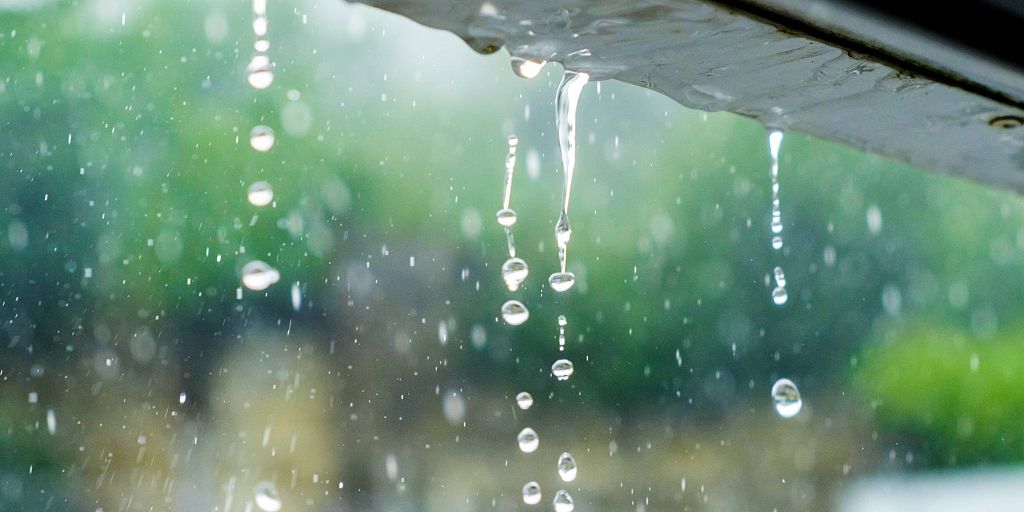
With summer coming, and temperatures sure to soar, it makes sense to utilise another of nature’s resources. Harvesting the natural rainfall that occurs and storing it in rainwater tanks is a smart thing to do to beat drought – and for several other reasons, too.
First, and perhaps most importantly of all for domestic households, is the saving you will make on using mains water. Although water is a natural element, society’s system is currently set up so that we have to pay for it – and therefore cutting back on it can reduce expenditure, which is always beneficial.
Secondly, there’s an environmental benefit to this approach, too. Natural rainwater is ‘soft’ and therefore eliminates putting chemicals and minerals into your soil when you are gardening with it (ie. using it to water your plants). Rainwater you’ve kept in water storage tanks can also, with filtration, be used for pressure washing, car washing and so on.
Thirdly, during periods where rainfall is heavy, water accumulates and can cause flooding. Harvesting rainwater will help to prevent local flooding as it reduces the amount of water which runs off your property.
How do you harvest rainwater correctly?
You don’t just stick a bucket outside of your back door and hope for the best. There are a few elements (or, should we say, components) involved when you are intending to harvest rainwater. They are as follows:
Catchment: This is the surface that the rainwater will fall onto, and from which it will be collected. Essentially, a roof of some kind. The estimated amount of rainwater you will harvest is approximately 1,000 litres per square meter of roof.
Water Tank: The receptacle for the rainwater. This tank (sometimes referred to as a butt) is where the water will be stored once it is collected from the catchment. There will be some sort of guttering and pipework involved between the two.
Filter: To prevent unwanted items (such as leaves, twigs, moss etc) making their way into the tank, a filter is required. This will allow the rainwater through, but nothing else – ensuring your harvested water is not contaminate by things you don’t want.
Overflow: A siphon will prevent the tank from overflowing when it is full.
Where Should I Put My Rainwater Tank?
It is beneficial to place the tank near to the area where the water is required. For instance, if you will be using the water you’ve harvested for gardening, then it makes sense to have the tank close to the garden. This is to reduce the distance that the water will have to travel to its intended use, and therefore mitigating against potential leaks etc.
The tank should be positioned on a flat surface which is stable, so that it does not tip over. Positioning it on uneven ground is a risk, but if you have no other option than to put it in this sort of location, you should do your best to level it up by using slabs or bricks.
Your water tabk should also be positioned in a spot that is easily accessible. It will require maintenance, cleaning and disinfecting at points throughout its useful life, and therefore you are going to need to get to it whenever required, with as little hassle or fuss as possible.
What Sort Of Tank Should I Use For Harvesting Rainwater?
At Tanks R Us we stock many different types of storage tank for all sorts of different purposes, including models from Enduramaxx that are suitable for rainwater harvesting. Available in different sizes, to cope with the possible harvest from different sized properties, you are sure to find the tank for you when you browse our website. We also stock everything else you will need to get your rainwater harvesting system up and running, and we even stock gauges and alarms, pumps, fill-point equipment and several other essential accessories. Once you have browsed our website and found what you need, don’t hesitate to get in touch with us with any further queries. We’re here to help you get sorted!
One of the largest selections of tanks in the UK
Chat online or call us today on 01469 531229
Related Products
More Articles
Water Storage Tanks and the Environment
1st September 2022 in water

How to Clean a Drinking Water Tank
5th September 2022 in water
Why It's Important To Place Water Tanks In The Right Location
15th November 2022 in water

Can I Drink Water from a Water Storage Tank?
15th November 2022 in water




Help
About Us
My Account
Newsletter Sign Up
Inspiration direct to your inbox, please enter your email below...
© Tanks R Us. All rights reserved. Registered in England. Registration number. 05804332. VAT number 364402764