



How to Keep Your Oil Tank and Heating Oil from Freezing
10th September 2025
in oil
Author: Jack Dunn
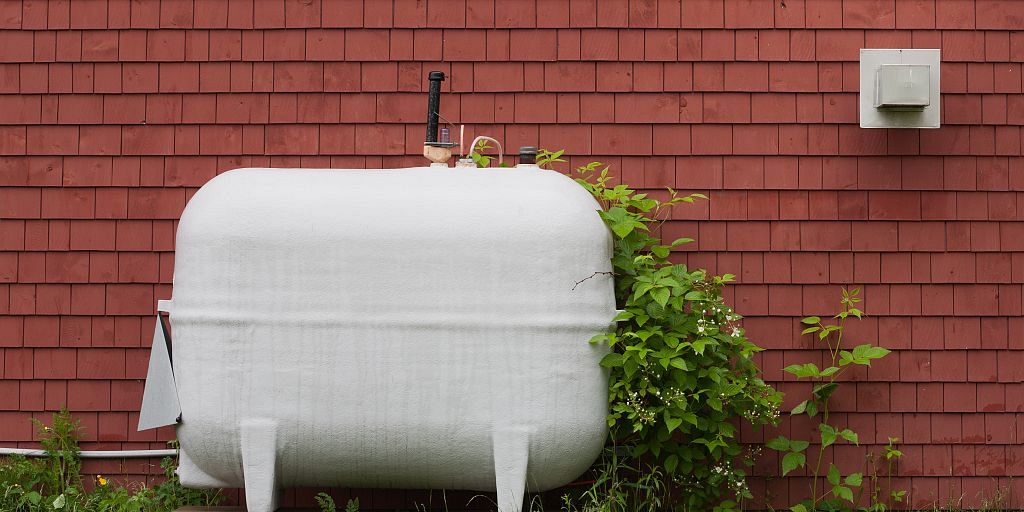
When the cold hits, your oil supply and tank integrity are vital. A frozen or semi-frozen oil line can leave you without heating, waste money, or even damage your system. Here are key steps to help Tanks R Us customers protect their heating oil and tank throughout the colder months.
Preventive Measures You Can Take
1. Insulate Pipes and Fuel Lines
Make sure the fuel lines between your tank and boiler are well wrapped. Pipe lagging or insulating sleeves reduce heat loss, helping to prevent frost build-up or ice blockages.
2. Underground Fuel Line Routing
If possible, lay the fuel line below ground level. Soil has a more stable temperature than air, which helps buffer against freezing. Around 450 mm depth is generally effective, but check local guidance and ground conditions.
3. Use Cold-Weather Blended Oil
During the depths of winter, use an oil blend formulated for cold environments. These oils resist gelling better. Before changing fuel type, verify compatibility with your boiler or oil tank system.
4. Provide Shelter for the Tank
Keeping the tank shielded from extreme weather—wind, snow, freezing rain—helps a lot. A lean-to, cover, or simple shelter can reduce exposure. Also avoid letting snow accumulate directly on fittings or over the tank top, which can cause moisture issues.
5. Add Flow-Aiding Additives
There are specialist additives that improve flow in cold conditions, helping prevent gelling or wax deposits. Many also clean components and help maintain efficiency. Use as instructed.
6. Routine Maintenance & Inspection
Regular checks are essential. Look for tiny cracks, loose joints, worn seals, signs of rust or water ingress. Fixing minor issues early helps avoid larger, costlier failures in freezing weather.
Understanding How & When Oil Freezes
• Heating oil doesn’t freeze like water; it thickens or becomes gel-like at low temperatures.
• The risk of gelling tends to begin around −8 °C (≈ 16 °F), though this can vary depending on the specific oil blend.
• Even after a freeze, residual wax or sludge can remain, which can still block filters or lines.
What to Do If Freezing Happens
• Call in a Professional: If you lose heating and suspect freezing, contact a qualified heating/tank engineer. It’s often not worth risking damage by DIY methods.
• Safe Thawing of Lines: For small frozen sections of pipe, very gentle heat (e.g. a heat blanket or warm water) may help. Never use open flames. Safety first.
• Interim Comfort Measures: While waiting for repairs, use safe, portable heating equipment indoors. Layer up, but avoid unsafe heat sources.
When to Reach Out to Tanks R Us
You should consider professional help if you notice:
• Reduced fuel flow or heating power
• Any leaks, misting, or frost around seals or fittings
• Sludge, wax, or discolouration in the tank or fuel lines
• Damage to pipe insulation, tank paint or metal corrosion
At Tanks R Us, we can offer inspection, cleaning, repair, replacement, or upgraded insulation solutions to ensure your system remains robust through winter. Get in touch with us to discuss your concerns.
One of the largest selections of tanks in the UK
Chat online or call us today on 01469 531229
Related Products
More Articles

How to Prevent Oil Theft – 8 Security Measures
1st August 2022 in oil
7 signs your oil tank needs replacing
4th August 2022 in oil
What are the advantages of a bunded oil tank?
6th August 2022 in oil
Our top 8 ways to maintain your oil tank
8th August 2022 in oil




Help
About Us
My Account
Newsletter Sign Up
Inspiration direct to your inbox, please enter your email below...
© Tanks R Us. All rights reserved. Registered in England. Registration number. 05804332. VAT number 364402764